Coordination & Facilitation
Communication and collaboration is critical to addressing natural resource conservation issues. Through building rapport and sharing knowledge and resources, we are able to more effectively and efficiently resolve conflicts and are better able to manage, conserve and protect our natural resources.
As a non-regulatory entity, we often serve as a liaison to facilitate and encourage dialog between landowners, land managers, local stakeholders, and state and federal agencies.
We are available to help:
-
Coordinate and facilitate working groups;
-
Provide facilitation and conflict resolution between land occupiers, agencies and other stakeholders; and
-
Identify and engage necessary stakeholders; etc.
For questions or assistance, don't hesitate to contact Marie Lotz, District Manager at marie-lotz@columbiabasincds.org or at our main office, (509) 765-9618.
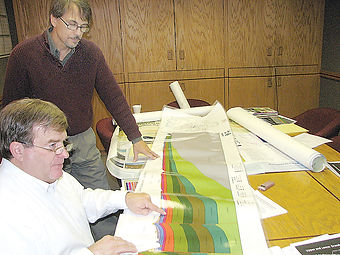
Conservation districts often function as conveners, bringing together landowners, land managers, local stakeholders, and agency representatives around shared natural resource concerns. By coordinating working groups and offering neutral ground for discussion, they help build trust and keep conversations focused on practical outcomes. Facilitation work is especially valuable in watersheds where competing interests, such as agriculture, wildlife habitat, and rural water use, intersect. Through clear communication, shared goals, and a non-regulatory approach, districts help communities move from disagreement toward collaborative stewardship of the land and water resources that sustain them.
Effective coordination and facilitation depend on listening, transparency, and steady follow-through. Conservation districts support this process by helping organize meetings, gather input from a wide range of voices, and connect participants with technical and financial resources that may otherwise be hard to access. When local knowledge is paired with outside expertise, working groups are better equipped to design projects, plan implementation steps, and track progress over time. This kind of patient, relationship-based work strengthens community capacity to address natural resource challenges and ensures that conservation efforts reflect the priorities of the people who live and work on the land.