
Contact Us
Staff Directory
Marie Lotz - Manager
marie-lotz@columbiabasincds.org
Cell: (509) 331-6787
Lyle Stoltman C.C.A. - Livestock Program Coordinator
lyle-stoltman@columbiabasincds.org
Cell: (509) 989-7093
Harold Crose - Liaison
harold-crose@columbiabasincds.org
Elliott DeLong - Resource Technician
elliott-delong@columbiabasincds.org
Deanna Elliott - Voluntary Stewardship Program Planner
deanna-elliott@columbiabasincds.org
Doug Allen - Soil Resource Conservationist Planner
doug-allen@columbiabasincds.org
Dinah Gadberry - NRCS Ephrata Task Order Planner
dinah-gadberry@columbiabasincds.org
Kristina Ribellia, Assistant Manager
kristina-ribellia@columbiabasincds.org
Ronald Scerbicke - Watershed Planner
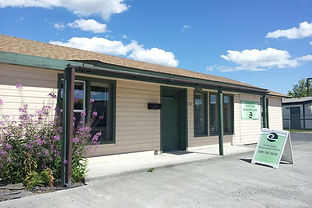
Grant County Conservation District
1107 South Juniper Drive
Moses Lake, WA 98837
Located behind Dairy Queen
Phone:
(509) 765-9618
Office Hours:
Fax: (509) 765-4127 Mon. - Fri., 8 am - 5 pm
Board Meetings:
Second Tuesday of the Month,
April to October 7 pm - 9 pm and
November to March 1 pm - 3 pm
Open to the Public
Reaching out to a conservation district is often the first step for landowners seeking guidance on stewardship, and the contact page typically gathers the team's roles in one place. A manager usually oversees daily operations, coordinates with partner agencies, and helps residents navigate available programs. From irrigation questions to wildlife habitat concerns, that person can point callers toward the right staff member or upcoming workshop. Most districts encourage early conversations, since project planning, funding cycles, and seasonal deadlines all benefit from advance coordination. Clear introductions make it easier for community members to follow up with confidence.
A livestock program coordinator often serves as a bridge between ranchers and technical or financial assistance opportunities. Walk-in inquiries about grazing plans, fencing, water quality, and pasture health are common, and the coordinator can translate agency requirements into practical steps. Many districts also work alongside producer groups to host field days, demonstrations, and one-on-one site visits. Because livestock operations vary widely in size and goals, personalized advice helps ensure that recommended practices fit the land, the herd, and the operator's long-term vision.
Resource technicians and soil conservationists play a hands-on role in mapping soils, assessing sites, and recommending practices that protect productivity. They might walk a parcel to discuss cover crops, wind erosion, or no-till strategies, and they often help prepare documentation for cost-share applications. Planning staff in voluntary stewardship programs add another layer of support by connecting broader community priorities with on-the-ground projects, while liaison roles help maintain relationships with tribal, state, and federal partners who share the watershed.
Administrative and office support keeps the district running smoothly behind the scenes, from scheduling meetings to preparing board packets and maintaining public records. Conservation districts depend on these team members to track agendas, minutes, financial reports, and legal notices, ensuring transparency for the communities they serve. Coordinated scheduling of workshops, classroom visits, and community events also falls within this work, helping residents find the right time and place to engage with local conservation efforts.
Many districts welcome questions from residents who are simply curious about nearby streams, wildlife corridors, or weed control efforts. Reaching out can lead to helpful publications, mapping tools, or referrals to neighboring specialists. Whether someone owns a small lot, manages a working farm, or belongs to a community group, an introductory email or call often opens the door to long-term support for healthier land and water across the basin.