Board of Supervisors
Board of Supervisors
Dave Stadelman, Chair, Elected 2021
Richard Leitz, Vice-Chair, Appointed 2022
Dan Roseburg, Auditor, Appointed 2023
Glenn Burkholder, Member, Elected 2022
John Preston, Member, Elected 2023
Monthly Board Meetings
The GCCD's monthly Board of Supervisors meetings are held the second Tuesday of the month at
7:00 PM March to October and
1:00 PM November to February in the
District's main office at 1107 S Juniper Drive, Moses Lake, WA.
Due to Covid-19 Stay at Home Order - All Board meetings will be held via teleconference. Contact the Manager for sign-in information.
Email: marie-lotz@columbiabasincds.org
Phone: (509) 765-9618
All meetings are open to the public.
- We value your input and are here to help! -
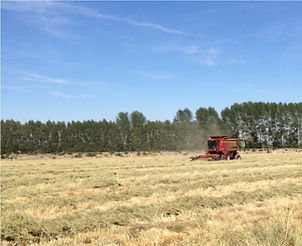
In 2013, Grant County, Moses Lake and Warden conservation districts consolidated into the Grant County Conservation District. Under this consolidation the Grant County Conservation District had fifteen board members and as of 2015 we are down to the five board members. Three are elected and two are appointed by the Washington State Conservation Commission.
If you are interested in becoming involved with your local Conservation District please contact Marie Lotz, Manager
at (509) 765-9618.
Associate Supervisors
Bob Allison Rex Chamberlain
Boe Clausen Harold Crose
Henry Estrada Tim Freeman
Dixie Fultz Dale Gies
George Jelmberg Mark Kallstrom
Jim Krautscheid Bill Lamphere
Stan Meyer Keith Rupprecht
Alan Schlimmer Derek Stevens
Paul Stoker Don Underhill
Dale Wentworth
Conservation districts across the region rely on volunteer boards of supervisors to guide local stewardship of soil, water, and wildlife resources. These boards typically include both elected members, chosen by the community for multi-year terms, and appointed members selected to fill specialized roles or vacancies. Together, the chair, vice-chair, and fellow supervisors establish priorities, approve cost-share projects, and ensure that technical and financial assistance reaches the people who manage farmland, rangelands, and natural areas. Public participation remains central, since board decisions shape how a district addresses irrigation efficiency, noxious weeds, livestock management, and habitat improvement across the watershed.
Regular board meetings are the cornerstone of transparent local conservation work, giving residents a chance to observe decisions, ask questions, and weigh in on upcoming projects. Most districts schedule monthly gatherings, often adjusting start times to reflect seasonal work hours and to accommodate working farmers and ranchers. Agendas typically cover financial reports, program updates, classroom education efforts, and the latest community assistance requests, while approved minutes become part of the public record. Because meetings are open to the public, neighbors can follow how the district balances competing priorities such as wildlife habitat, groundwater management, and ongoing noxious weed control.
Serving on a conservation district board offers community members a meaningful way to influence the health of the land and water around them. Supervisors help interpret technical information from staff, weigh grant opportunities, and decide how limited resources are allocated among fencing projects, farm energy audits, and watershed surveys. They also serve as a bridge between landowners and state or federal agencies, translating policy into practical guidance. Whether elected or appointed, each member brings experience and perspective to the council, ensuring that programs and services reflect the values and needs of the surrounding agricultural community and rural residents.